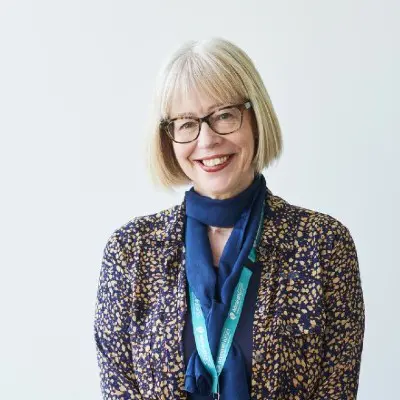
Dr Hilda Hayo OBE celebrates 10 years of the Young Dementia Network
Turning greater awareness into meaningful change
The Young Dementia Network was launched at a conference in Birmingham on 27th September 2016 with the goal of raising awareness of young onset dementia and improving the lives of people affected by the condition. I was a founding member of the steering group and am proud to currently be its chair.
As we celebrate the Network’s 10th anniversary, it’s the perfect time to reflect on all we have achieved over the past decade. Awareness of young onset dementia – where symptoms develop before the age of 65 – has grown significantly. More people now understand that dementia can affect younger people, who are often working, raising families or supporting others.
This progress is welcome, but awareness must lead to change. More than 70,000 people in the UK are living with young onset dementia, yet many face delayed diagnosis and age-inappropriate support. In England, only 55% of people with young onset dementia have a formal diagnosis and research suggests diagnosis takes on average over four years.
The Young Dementia Network is determined to close these gaps. Our 2025-28 strategy reflects the priorities of people living with young onset dementia, their families and professionals. Every achievement brings us closer to compassionate support for all.
Making people’s voices heard
People living with young onset dementia and their families are at the heart of the Network. Their experiences have informed national discussions, reports from the All-Party Parliamentary Group on Dementia and policy reviews.
Nearly 500 people completed our survey earlier this year, which asked members about their connection to young onset dementia and reasons for engaging with the Network. We are grateful to everyone who shared their experience, expertise and ideas, which will help us identify future priorities.
Ensuring that every person counts
Accurate data helps services to plan, commissioners to understand the need for support, and communities receive the right resources.
The Network has encouraged better information and reporting about dementia prevalence and subtype. Better data keeps every person and their needs visible.
Building evidence and improving services
The Network grew from a belief that better evidence leads to better care. The Angela Project, the UK’s largest study of young onset dementia diagnosis and post-diagnostic support, developed directly from the Network. Its findings continue to influence services, research and professional practice.
We have helped secure young onset dementia standards within the Memory Services National Accreditation Programme and contributed to work by the Royal College of Psychiatrists.
Our next priorities include influencing nationally recognised standards and better local delivery, so everyone can access knowledgeable diagnosis and appropriate support.
Research with people, not simply about them
People affected by young onset dementia shape research into diagnosis, employment, social care, technology, stigma and post-diagnostic support.
The Network shares opportunities to participate, alongside webinars and resources that make emerging evidence accessible. Taking part is always a personal choice but offers a direct role in improving future care and understanding.
What happens next depends on all of us
Lasting change is collaborative. People living with young onset dementia, families, professionals and researchers each bring knowledge. You can help by sharing your experience, joining a Network activity, attending a webinar, taking part in research or using our resources to encourage local improvement.
It’s been my pleasure to have been a part of the Network over the past 10 years, and to see the progress we have made. Together, we can turn greater awareness into earlier diagnosis, better services, stronger support and greater hope for everyone affected. I am looking forward to everything we can – and will – achieve.
– Dr Hilda Hayo OBE, Young Dementia Network Chair; Chief Admiral Nurse and Chief Executive, Dementia UK